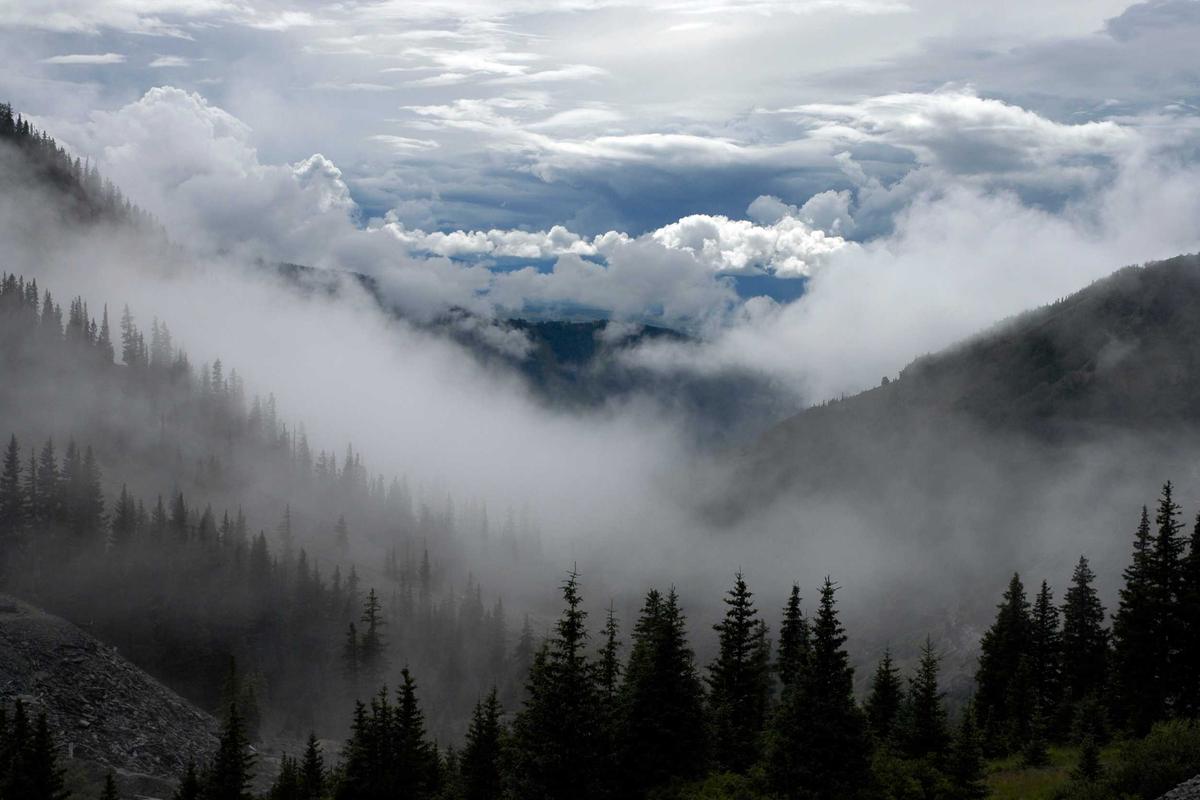
A team of British mountaineers has achieved a remarkable feat on Everest, leading a successful summit push that navigated a colossal ice hazard on the mountain. The climbers, part of a larger expedition, avoided a potentially catastrophic blockage by charting a new route through the Khumbu Icefall, one of the most dangerous sections of the climb. The ice hazard, a massive serac that had been threatening to collapse, forced the team to adapt quickly and make a bold decision that ultimately paid off.
The breakthrough came after weeks of careful observation and real-time data analysis. The team used satellite imagery and ground-penetrating radar to assess the structural integrity of the icefall. When traditional routes became impassable, they pivoted to a technical alternative, cutting steps into the ice and fixing ropes at extreme altitude. The effort required exceptional cooperation between climbers, Sherpas, and support staff, highlighting the human element in an environment increasingly shaped by climate change.
This achievement is not just a testament to physical endurance but to the power of collective intelligence and technology in extreme environments. The climbers wore sensors that transmitted biometric data to base camp, allowing doctors to monitor their vital signs in real time. Drones scouted the route ahead, feeding video back to the team for immediate hazard assessment. This integration of human expertise and digital tools represents a new frontier in high-altitude mountaineering.
However, the success also raises ethical questions. The use of technology in such climbs often blurs the line between adventure and spectacle. Some critics argue that reliance on gadgets diminishes the purity of the endeavour. But the team’s leader countered that their primary goal was safety, not glory. “We’re not here to prove something for ourselves,” he said. “We’re here to understand how we can climb responsibly in an era of rapid environmental change.”
The ice hazard itself is a stark reminder of the volatile conditions on Everest. Warmer temperatures have destabilised the Khumbu Icefall, making it more dangerous each year. Scientists monitoring the region have noted a significant increase in glacial melt and serac collapses. The team’s success in bypassing this hazard offers valuable data for future expeditions, but it also underscores the urgency of addressing climate change.
For the British mountaineering community, this summit push is a source of pride. It demonstrates that traditional mountaineering values like courage and teamwork can coexist with modern technology. The climbers returned safely and are already analysing their data to share with the wider scientific community. Their journey, as one team member put it, was not about conquering the mountain but about learning to coexist with it.
As Everest continues to change, the lessons from this expedition will inform both climbers and conservationists. The British team’s ingenuity and adaptability serve as a model for future high-altitude endeavours: embrace technology, respect the mountain, and prioritise safety above all.