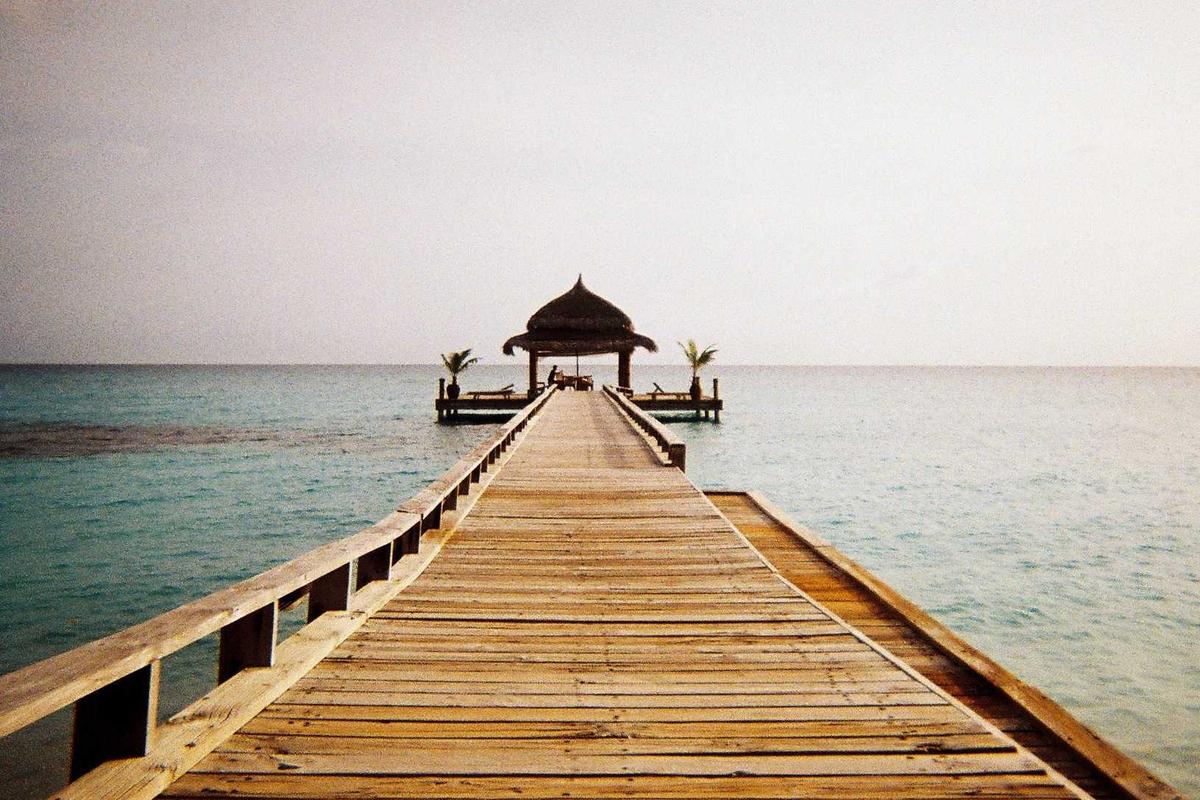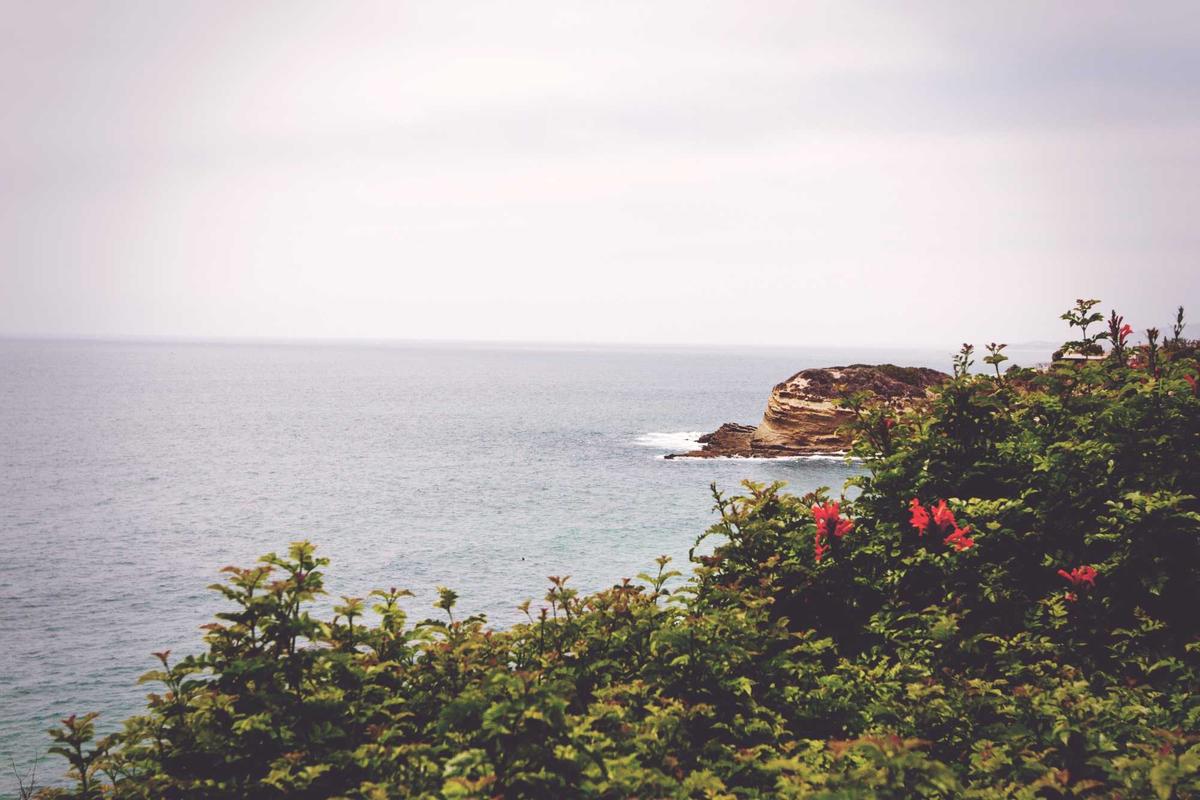
A British national has been placed under quarantine on a remote Pacific island following exposure to hantavirus, a rodent-borne pathogen that can cause severe respiratory distress. The woman, whose identity has not been released, is currently isolated on a small atoll in the French Polynesian archipelago, where she was part of a research expedition studying seabird populations.
The quarantine protocol was activated after a field assistant reported symptoms consistent with hantavirus pulmonary syndrome (HPS), a condition with a mortality rate of approximately 38% according to the US Centers for Disease Control and Prevention. Preliminary tests conducted at a field clinic on the island have returned positive for a strain of the virus, though full genotyping is pending.
Hantaviruses are typically transmitted through aerosolised excreta from infected rodents. The woman likely contracted the virus while handling nesting materials contaminated with rodent droppings. The incubation period for HPS ranges from one to five weeks, meaning she may have been infectious for several days before symptoms appeared.
The quarantine facility is equipped with negative pressure rooms and full personal protective equipment for medical staff. A perimeter of 500 metres has been established, restricting movement to and from the island. Local authorities have set up a health checkpoint, and all non-essential travel to the region has been suspended.
The British Foreign Office confirmed they are providing consular assistance. A spokesperson stated, "We are in close contact with French Polynesian health authorities and are working to ensure our citizen receives appropriate medical care."
This incident underscores the vulnerability of isolated populations to zoonotic diseases. As human encroachment into wild habitats continues, the probability of pathogen spillover events increases. For this woman, the remote location that once offered scientific opportunity has become a cage against a microscopic threat. For the rest of us, it is a stark reminder of our interconnectedness with the natural world.
Further updates will follow as the situation develops.